Progressive weakness
Persistent weakness in a hand, arm, leg or the muscles used for speech or swallowing; muscle twitching; cramping; stiffness; dropping objects; tripping; or slurred speech can prompt evaluation.
Symptoms have many possible causesClear answers, local specialist care and practical tools for people living with amyotrophic lateral sclerosis — and the families who stand beside them.
ALS damages motor neurons in the brain and spinal cord. As those nerve cells stop working, muscles become weaker and eventually lose function. ALS can affect walking, hand use, speech, swallowing and breathing. Thinking and behavior can also be affected in some people.
Persistent weakness in a hand, arm, leg or the muscles used for speech or swallowing; muscle twitching; cramping; stiffness; dropping objects; tripping; or slurred speech can prompt evaluation.
Symptoms have many possible causesA neurologist uses history and examination plus tests that may include EMG, nerve-conduction studies, MRI, blood tests and other studies to rule out conditions that can mimic ALS. Genetic testing may be discussed.
ALS-experienced neurology mattersMost ALS is sporadic and the cause is not known. Research is studying genetic and environmental risk. People with a strong family history can ask about genetic counseling and testing; prevention trials are an active research area.
Avoid miracle-prevention claimsNo available medicine cures ALS or reverses lost motor neurons. Current treatment aims to slow progression in appropriate patients, extend survival in some cases, manage symptoms and preserve breathing, nutrition, mobility, communication and independence.
Available as tablets and swallowing-friendly formulations. FDA labeling states riluzole extends survival and/or time to tracheostomy. Liver monitoring and medication review are important.
Radicava is available by IV and as Radicava ORS oral suspension. It is intended to slow functional decline in ALS; clinicians decide whether it fits the individual patient.
Qalsody is approved for ALS associated with a confirmed SOD1 mutation. It is given by intrathecal injection by trained health professionals.
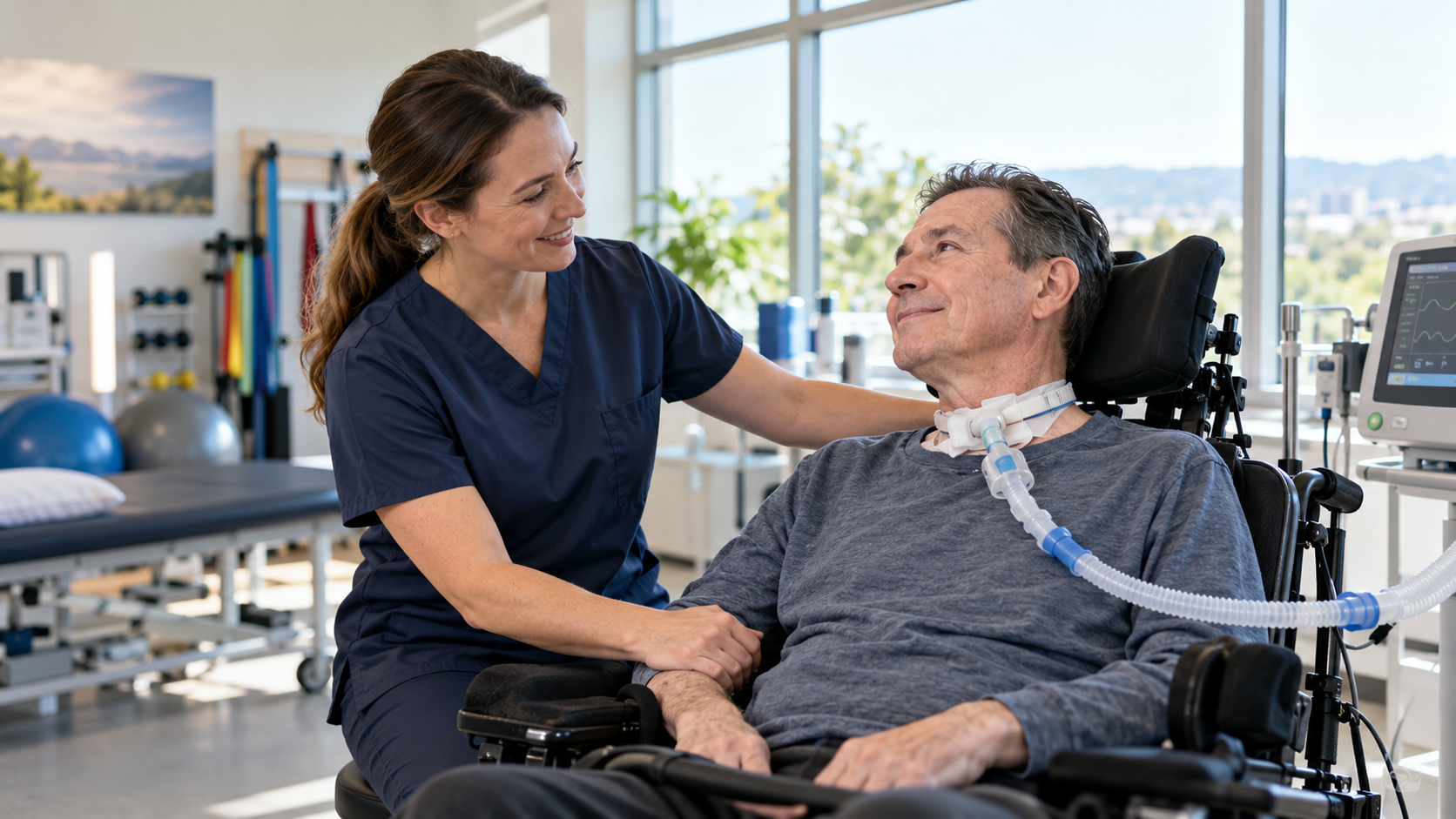
The ALS Association currently lists three affiliated ALS clinics in Oklahoma. Multidisciplinary care brings neurology, respiratory care, physical and occupational therapy, speech and communication, nutrition and social support together around one plan.
Much of high-quality ALS care is not a pill. Teams monitor breathing, swallowing, weight, mobility, speech, fatigue, pain, mood, sleep and caregiver needs — and introduce support before a crisis.
Respiratory testing tracks muscle weakness. Noninvasive ventilation can support breathing. Cough-assist and secretion-management strategies may be recommended by the care team.
Dietitians and speech-language pathologists help maintain calories, hydration and safer swallowing. Feeding-tube discussions are often best started before urgent need.
PT and OT can help with stretching, fall prevention, energy conservation, wheelchairs, transfers, bathroom safety and home accessibility.
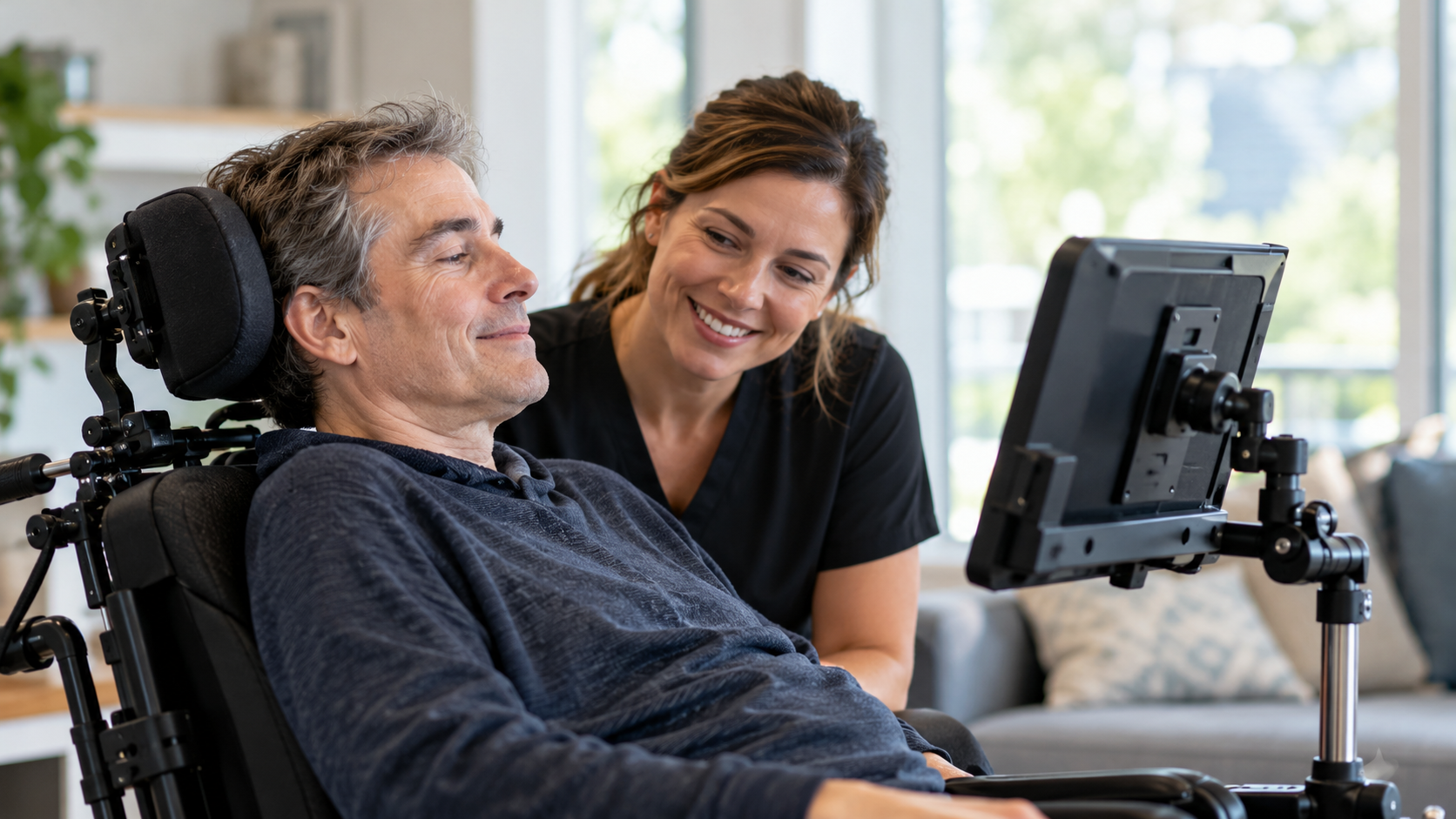
Speech therapy, voice banking, tablets, speech-generating devices and eye-gaze systems can preserve communication as hand or speech function changes.

Many useful items are available without a prescription, but “available to buy” does not mean “right for everyone.” ALS clinics and therapists can prevent expensive mistakes and may help obtain equipment through insurance or loan programs.
Adaptive utensils, cup holders, button hooks, reachers, dressing aids, grip aids and lightweight writing tools.
Often retail / OTCShower chairs, raised toilet seats, grab bars and transfer benches. Installation and transfer technique matter.
Often retail / OTCCanes, walkers, transport chairs, portable threshold ramps and transfer boards. Power mobility should be professionally fitted.
Mixed retail + medicalTablets, styluses, switch interfaces, communication boards and speech apps. Eye-gaze systems usually benefit from an SLP/AAC evaluation.
Retail + specialist systemsOver-bed tables, wedges, pressure-relief cushions and positioning supports. More complex beds and lifts may be covered as durable medical equipment.
Retail + DMEVoice-activated lights, smart plugs, door controls and environmental-control systems can extend independence as movement becomes harder.
Often retailNoninvasive ventilators, cough-assist devices and suction equipment can be important, but selection and settings belong with respiratory/ALS clinicians.
Medical guidance requiredThe ALS Association operates an Independence & Mobility Program with durable medical equipment, AAC tools and other items subject to availability.
Ask before purchasingALS research changes quickly. Trial eligibility can depend on age, disease duration, breathing function, gene status, prior treatment and travel. Patients should use current trial finders rather than old lists.
The CDC/ATSDR registry can notify participants about studies and trials for which they may qualify.
The ALS Association links to trial-navigation services and the Northeast ALS Consortium for current U.S. trial information.
The NIH-supported ALL ALS consortium continues observational research, including remote participation options for some people living with ALS.
Contact this independent information website for general questions and resource links. For individual medical care, please contact an ALS-experienced clinician.
General questions about the information on this website; no medical advice or patient services.
Questions about publicly available equipment and accessibility resources.
Questions about research resources and publicly listed clinical trials; no referral service.
These addresses are configured to receive mail through the ALSOK.com Post Office. This independent website is not a medical practice and does not provide individual clinical advice.
Medical pages should be updated from authoritative sources. These are the sources used for the core treatment, clinic and equipment information on this page.